

Introduction
When I first started working in the U.S., I believed wealth was something only high‑income earners could build. But over time, I learned that small investments, done consistently and smartly, can create life‑changing results.
Whether you’re saving $50 a week or investing $100 a month, the secret lies in discipline, diversification, and time. In this post, we’ll explore the best methods to build wealth with small investments, backed by real‑life examples and practical strategies anyone can follow.
How To Build Wealth with Small Investments
A few years ago, I met a client named Emily — a teacher earning $45,000 a year. She felt investing was “for the rich.” We started small: $100 monthly into an index fund and $50 into a high‑yield savings account.
Five years later, her portfolio grew to over $9,000 — not because of luck, but because of consistency and compounding. That’s the power of small investments done right.
(Interlink: Compound Interest Explained: How Small Savings Grow Into Wealth)
Why Small Investments Matter
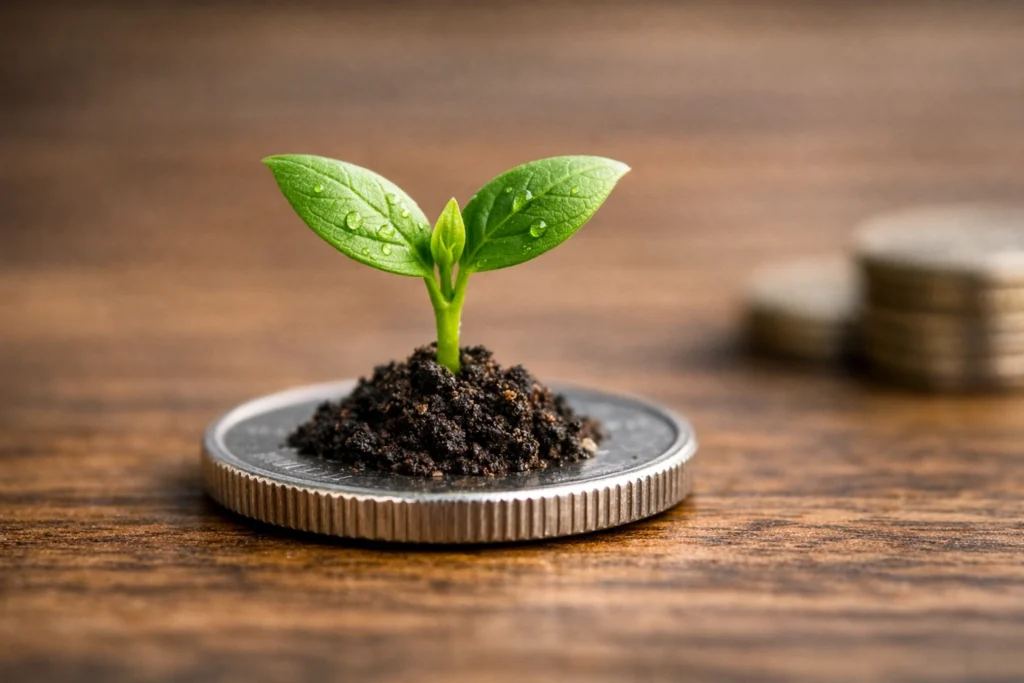
You don’t need thousands to start building wealth. What you need is time and consistency.
Here’s why small investments work:
- Compounding: Your money earns returns, and those returns earn more returns.
- Accessibility: You can start with minimal amounts using apps or micro‑investment platforms.
- Habit Formation: Small steps build financial discipline.
(Interlink: Slow and Steady Wealth: Proven Habits That Create Lasting Riches)
Step 1: Automate Your Savings
Automation removes emotion from money decisions. Set up automatic transfers to your investment or savings account every payday.
Tools like:
- 📊 Monthly Budget Planner → Track income, expenses, and savings progress.
- 💳 Debt Payoff Planner → Free up cash flow for investments.
- 🛠️ Complete Financial Toolkit → Bundle of all tools for total financial control.
These help you stay consistent without manual effort.
(Interlink: How to Automate Savings and Investments Better)
Step 2: Start with Index Funds
Index funds are beginner‑friendly and low‑cost. They track major market indexes like the S&P 500, offering diversification and steady growth.
Why they’re ideal for small investors:
- Low fees
- Automatic diversification
- Proven long‑term performance
Even $50 a month can grow significantly over time.
(Interlink: Stocks vs Bonds: Which One to Choose for Faster Wealth)
Step 3: Use Micro‑Investment Apps
Apps like Acorns, Robinhood, or Fidelity Spire allow you to invest spare change or small amounts automatically.
Example: Round up your daily coffee purchase from $4.50 to $5.00 — that extra $0.50 goes into your investment account. Over a year, those small amounts can add up to hundreds of dollars invested.
Step 4: Diversify Your Portfolio
Don’t put all your money in one basket. Spread your small investments across:
- Stocks and ETFs for growth
- Bonds for stability
- REITs for passive income
- Savings accounts for liquidity
Diversification reduces risk and ensures steady progress.
(Interlink: The Power of Diversification: How Smart Investors Reduce Risk)
Step 5: Invest in Yourself
One of the best small investments you can make is in your skills and knowledge. Take online courses, attend workshops, or read finance books.
Every dollar spent on learning can multiply your earning potential.
And if you’re serious about mastering personal finance, grab the 📘 Financial Freedom Blueprint Ebook — a step‑by‑step guide to building wealth, clearing debt, and creating multiple income streams. It’s designed to help you turn small investments into long‑term financial independence.
(Interlink: Financial Literacy: Skills to Master Your Money Better)
Step 6: Build an Emergency Fund
Before investing aggressively, secure your foundation. Aim for 3–6 months of living expenses in a high‑yield savings account.
This ensures you won’t have to sell investments during emergencies.
(Interlink: Emergency Savings or Investment Portfolio — What Comes First?)
Step 7: Explore Side Hustles
Small investments can also fund small businesses or side hustles. For example:
- Start a blog or YouTube channel.
- Sell digital products.
- Offer freelance services.
Use the 📘 Side Hustle Starter Kit to plan and launch your income stream efficiently. It’s designed to help beginners turn ideas into profitable ventures.
Step 8: Reinvest Your Returns
Don’t cash out your profits — reinvest them. Reinvesting accelerates compounding and helps your portfolio grow faster.
Example: If your $1,000 investment earns $100, reinvest that $100 instead of spending it. Over time, this small habit can double your returns.
(Interlink: Why Saving Won’t Make You Rich — But Investing Will)
Step 9: Stay Consistent
Wealth building is a marathon, not a sprint. Even if markets fluctuate, keep investing regularly. Consistency beats timing — always.
Step 10: Real‑World Example
A client named David started investing $75 monthly in ETFs and $25 in a savings account. After 10 years, his total contributions were $12,000 — but his portfolio grew to $18,500.
That’s the magic of small, steady investments.
Frequently Asked Questions
Q1: How much should I start investing monthly? Start with what you can afford — even $25 or $50. The key is consistency.
Q2: What’s the safest small investment? High‑yield savings accounts and government bonds are low‑risk options.
Q3: Can small investments make me rich? Yes, over time. Compounding and discipline turn small amounts into significant wealth.
Q4: How do your tools help? They automate tracking, budgeting, and reinvestment — turning small steps into big results.
Step 11: Avoid Common Mistakes
- Chasing quick returns
- Ignoring diversification
- Stopping investments during market dips
- Not reviewing your portfolio annually
Step 12: Review and Adjust Annually
Your financial life evolves — so should your plan. Review your investments every year:
- Increase contributions when your income rises.
- Rebalance your portfolio.
- Adjust for inflation and market changes.
Step 13: The Emotional Side of Investing
Small investments teach patience and discipline. They remind you that wealth isn’t built overnight — it’s built through habits. Every dollar invested today is a vote for your future self.
Step 14: The Verdict — Small Steps, Big Impact
You don’t need a fortune to start building wealth. You just need a plan, consistency, and time. Start small, automate your savings, diversify, and reinvest. Your future self will thank you for every dollar invested wisely today.
Conclusion
Building wealth with small investments is about mindset, not money. It’s about believing that every small step counts. Whether it’s $10, $50, or $100 — start now, stay consistent, and let compounding do the heavy lifting.
Disclaimer
This article is for educational purposes only and does not constitute financial advice. Always consult with a licensed financial advisor before making investment or budgeting decisions.