
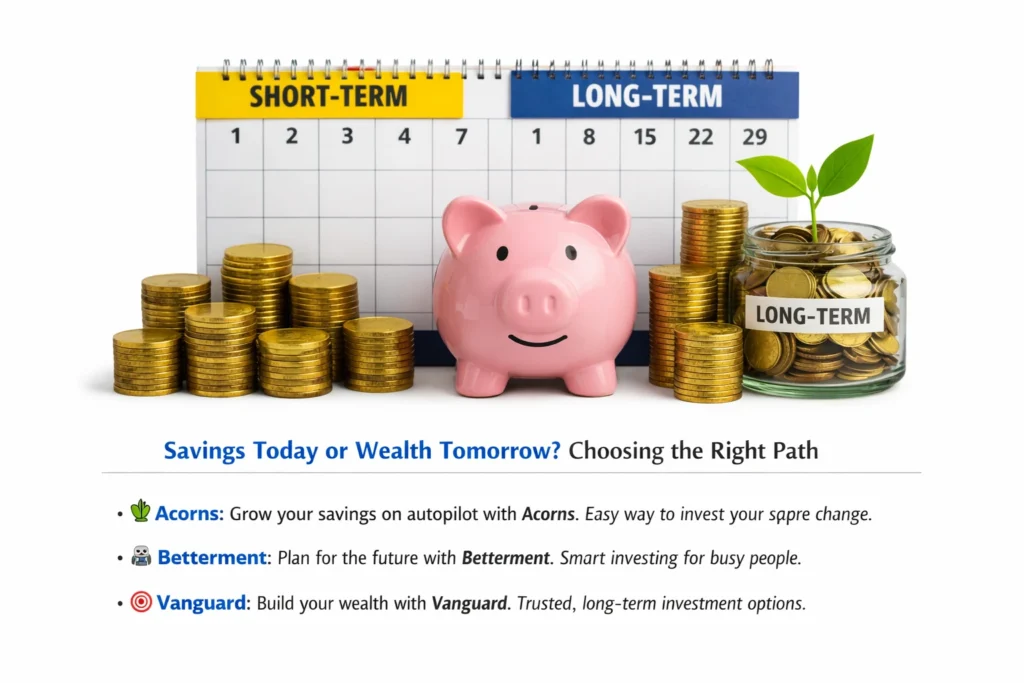
When I first started managing my finances in the U.S., I faced a tough question: should I focus on saving for short‑term needs or invest for long‑term wealth? Back then, I was all about building my emergency fund so I could handle sudden expenses. But as time went on, I started to wonder, “Am I planning enough for the future?” That’s when I realized the importance of balancing short‑term savings vs long‑term investments.
Understanding Short‑Term Savings
Short‑term savings are for immediate needs: emergency funds, vacations, or a down payment on a car. I remember saving diligently to buy my first used car — having that pile of cash ready made me feel secure. The focus here is on liquidity and safety; you want quick access to your money.
Savings accounts, certificates of deposit, or money market accounts are common tools. They don’t grow much, but they protect you from financial shocks.
The Power of Long‑Term Investments
Long‑term investments, on the other hand, are about building wealth over time. When I started investing in index funds and retirement accounts, I wasn’t thinking about next month; I was thinking about my future.
Investments grow through compound interest and market gains. Over the years, I watched my investments outpace inflation and build towards retirement. While savings gave me security, investments gave me growth.
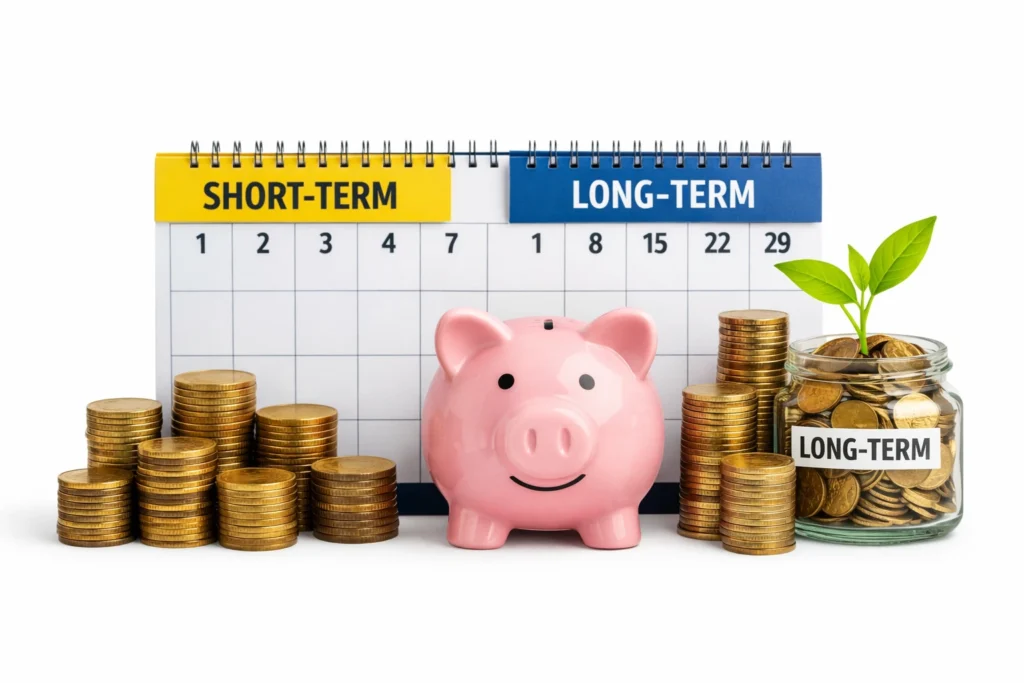
Savings vs. Investments: Key Differences
| Factor | Short‑Term Savings | Long‑Term Investments |
|---|---|---|
| Purpose | Emergency funds, short goals | Retirement, wealth building |
| Risk | Very low | Moderate to high |
| Return | Minimal interest | Higher returns over time |
| Liquidity | Immediate access | May require time to sell |
| Goal | Preserve capital | Multiply capital |
Balancing short‑term savings vs long‑term investments
The real challenge is finding balance. Here’s how I approached it:
- Set Priorities: I made sure to have a solid emergency fund first.
- Divide and Conquer: I allocated part of my income to savings and part to investments.
- Review Regularly: I reviewed my finances every quarter to adjust based on my goals.
👉 Related reading:
- Emergency Funds Explained: How to Build Your Ultimate Financial Safety Net
- Investing for Beginners: Start Growing Your Wealth
- Retirement Planning Basics: Secure Your Future
Real‑Life Example: My Financial Journey
I started by saving enough to cover six months of expenses. Once that safety net was in place, I shifted gears and began investing in the stock market. Over the years, my investments grew significantly, while my savings kept me secure and ready for any immediate needs.
That balance gave me confidence — I wasn’t just prepared for emergencies, I was also building wealth for tomorrow.
Conclusion: Finding Your Path Forward
The right path depends on your goals. Savings today ensures security; investing builds wealth for tomorrow. By finding a balance, you can secure your present while preparing for the future.
Ready to take your financial journey further? Discover practical strategies and step‑by‑step guidance in my eBook Financial Freedom Blueprint: Build Wealth, Clear Debt, and Live Free — One Step at a Time on Amazon Kindle today and start building the life you deserve.
Disclaimer
This article is for educational and informational purposes only and does not constitute financial, investment, or legal advice. The examples shared reflect personal experiences and general market principles. Always conduct your own research or consult a licensed financial advisor before making investment decisions.