
Introduction
While stay in the U.S., I dreamed of exploring every corner — from the Grand Canyon to the streets of New York. But between rent, bills, and daily expenses, travel felt like a luxury. That’s when I discovered travel savings hacks — small, smart strategies that helped me see more of the world without draining my wallet.
Whether you’re planning a weekend getaway or a month‑long adventure, learning how to save for travel while spending wisely can turn your wanderlust into reality.
The Travel Savings Hacks I used
A few years ago, I planned a trip to San Francisco. Flights were expensive, hotels were overpriced, and my budget was tight. Instead of canceling, I applied a few hacks:
- Used flight comparison tools to find cheaper mid‑week fares.
- Booked an Airbnb outside the city center.
- Used cashback rewards for dining and attractions.
The result? I saved nearly $600 — enough to fund my next trip to Chicago.
(Interlink: How to Automate Savings and Investments Better)
Why Travel Savings Hacks Matter
Travel isn’t just about leisure — it’s about experiences, memories, and perspective. But without planning, it can become a financial burden. Here’s why saving smartly matters:
- Freedom: You travel without guilt or debt.
- Flexibility: You can take spontaneous trips.
- Confidence: You enjoy experiences without worrying about money.
(Interlink: The Importance of Setting Financial Goals Better Explained)
Step 1: Create a Dedicated Travel Fund
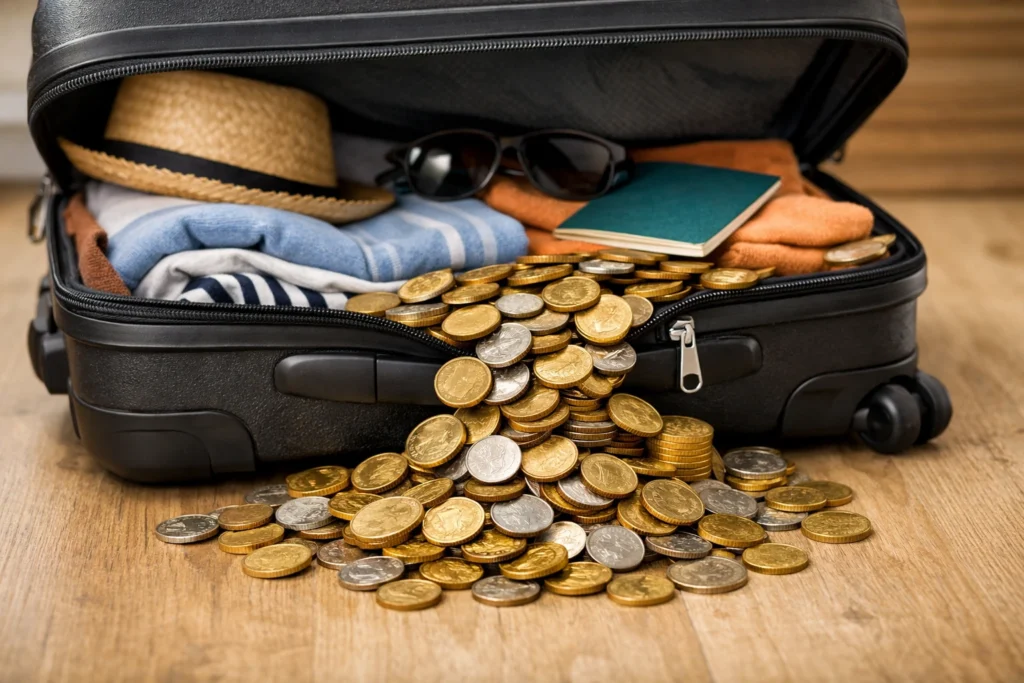
Separate your travel savings from your regular account. Open a high‑yield savings account or use a budgeting app to track progress.
Tools like:
- 📊 Monthly Budget Planner → Track your travel fund and expenses.
- 💳 Debt Payoff Planner → Free up cash flow for travel savings.
- 🛠️ Complete Financial Toolkit → Bundle of all tools for total financial control.
These help you stay consistent and visualize your progress.
(Interlink: Financial Literacy: Skills to Master Your Money Better)
Step 2: Automate Your Travel Savings
Set up automatic transfers every payday. Even $50 a week adds up to $2,600 a year — enough for a domestic vacation or international flight.
Automation removes temptation and ensures steady growth.
(Interlink: Minimalism and Money: How Less Spending Builds More Freedom)
Step 3: Use Credit Card Rewards Wisely
Travel rewards cards can be your best friend — if used responsibly. Look for cards offering:
- Sign‑up bonuses (worth free flights or hotel stays)
- Cashback on travel and dining
- No foreign transaction fees
Pro tip: Pay your balance in full each month to avoid interest.
Step 4: Book Smart — Timing Is Everything
Flight prices fluctuate based on demand. Here’s how to hack the system:
- Book flights 6–8 weeks in advance for domestic trips.
- Travel mid‑week (Tuesday or Wednesday) for cheaper fares.
- Use incognito mode when searching — it prevents price tracking.
- Subscribe to fare alerts from travel sites.
(Interlink: Multiple Income Streams: Proven Ways to Secure Financial Freedom)
Step 5: Stay Flexible with Accommodation
Hotels aren’t the only option. Try:
- Vacation rentals for longer stays.
- Hostels for budget travel.
- House‑sitting or home exchange programs for free lodging.
If you prefer comfort, use loyalty programs to earn free nights.
Step 6: Travel Off‑Season
Peak season = peak prices. Travel during shoulder seasons (spring or fall) for lower rates and fewer crowds. You’ll enjoy the same destinations — minus the chaos and cost.
Step 7: Pack Smart and Avoid Hidden Costs
Extra baggage fees can ruin your budget. Pack light, use carry‑ons, and weigh your luggage before leaving home. Bring reusable bottles, snacks, and chargers to avoid overpriced airport purchases.
(Interlink: Lifestyle Inflation: How to Avoid Spending More as You Earn More)
Step 8: Earn While You Travel
Combine travel with income opportunities:
- Freelance remotely.
- Teach English online.
- Start a travel blog or YouTube channel.
- Use affiliate marketing to monetize your experiences.
Your adventures can pay for themselves — literally.
Step 9: Use Local Transportation
Skip taxis and rideshares. Use public transport, rent bikes, or walk. You’ll save money and experience the city like a local.
Step 10: Plan Experiences, Not Expenses
Focus on meaningful experiences — not luxury. A sunset hike or local food market often beats a five‑star dinner. Budget for memories, not material things.
Frequently Asked Questions
Q1: How much should I save for travel each month? Start with 5–10% of your income. Adjust based on your travel goals.
Q2: What’s the best way to track travel expenses? Use the Monthly Budget Planner or any app that categorizes spending.
Q3: How can I find cheap flights? Use fare comparison tools, subscribe to alerts, and book mid‑week.
Q4: Should I use credit cards for travel? Yes — if you pay off balances monthly and use rewards strategically.
Q5: How do your tools help? They automate savings, track progress, and optimize spending — turning travel dreams into reality.
Real‑World Example
A friend of mine, Emily, wanted to visit Europe but thought it was impossible on her salary. We created a plan:
- Automated $100 weekly into her travel fund.
- Used cashback rewards for flights.
- Booked hostels and off‑season dates.
In 10 months, she saved $4,000 and spent three weeks exploring Italy and France — debt‑free.
Step 11: Reinvest Your Savings
After each trip, review your spending. If you saved more than expected, reinvest that amount into your next travel fund. This creates a cycle of sustainable travel.
Step 12: Stay Inspired
Keep a travel vision board or list of dream destinations. Visual motivation keeps you consistent — even when life gets busy.
Conclusion
Travel doesn’t have to be expensive. With smart planning, automation, and a few creative hacks, you can explore more for less — without sacrificing comfort or experience. Start today, build your travel fund, and let your adventures begin.
Disclaimer
This article is for educational purposes only and does not constitute financial advice. Always consult with a licensed financial advisor before making budgeting or investment decisions.